Short bio
Chuck Koonce is a photographer and painter from Washington State who has spent sixty years learning to see. He started at age twelve in his father's darkroom, later working with everything from 4×5 view cameras to 102-megapixel digital cameras, and eventually built his own commercial studio. His landscape photos are collected in the book A Lifetime of Seeing: Sixty Years in Light, Landscape, and Time. These days, he also creates abstract paintings that focus only on color, line, and the mark itself, without any subject.
About Chuck
Chuck’s journey began in a darkroom at age twelve, standing next to his father and watching black-and-white prints appear in the developer tray. There, he learned to see light and shadow and to wait for an image to come through. He has practiced that patience ever since.
Over sixty years, Chuck’s tools have changed many times. He has used 35mm, 6×7 medium format, and worked under the dark cloth of a 4×5 view camera. He was quick to try digital photography, using one of Canon’s first electronic still cameras in 1985. Now, he uses a Fujifilm GFX 100 for its detail at any print size. Through all these changes, one idea has stayed the same: the camera is just a tool. The act of seeing is what matters.
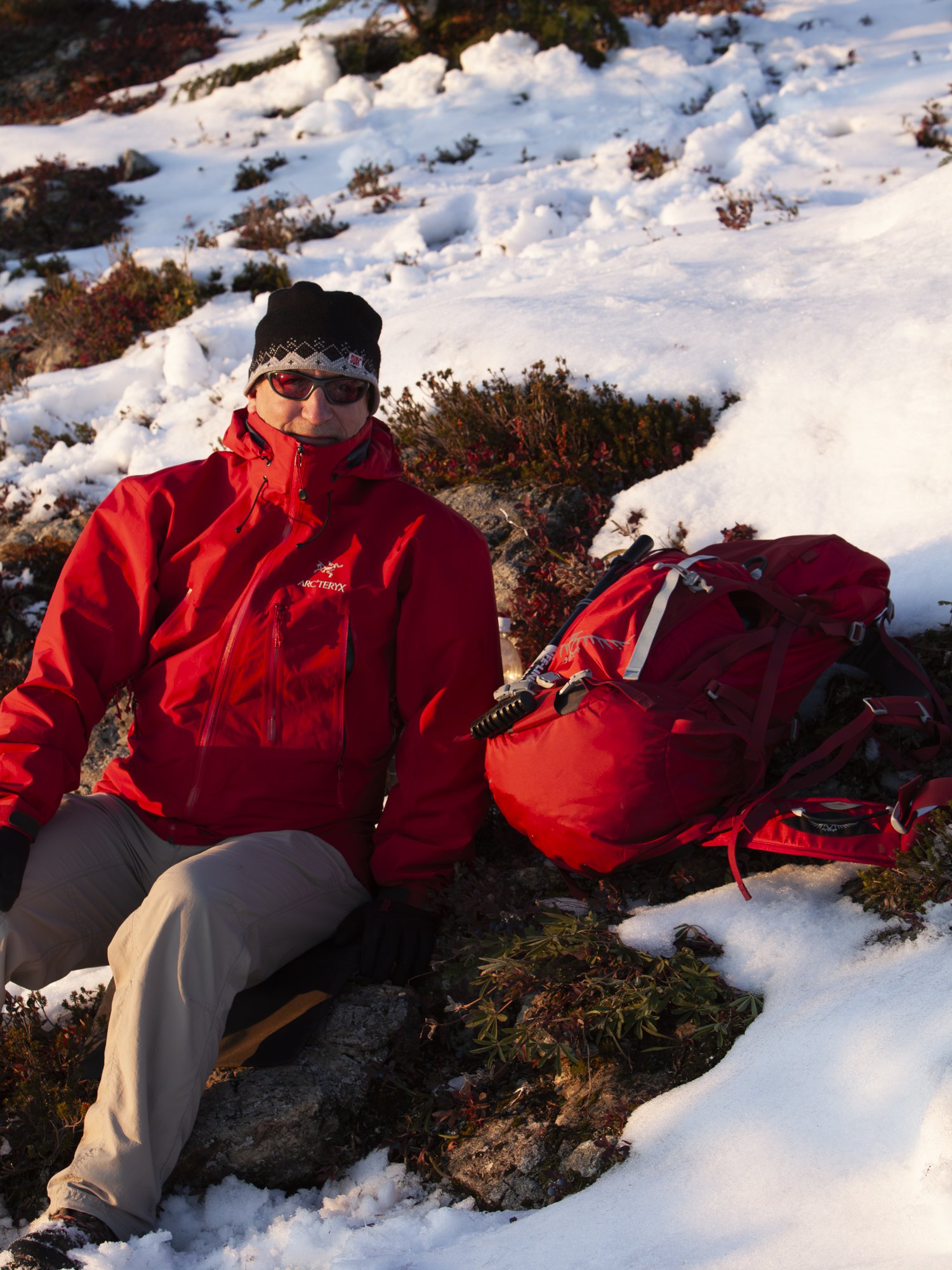
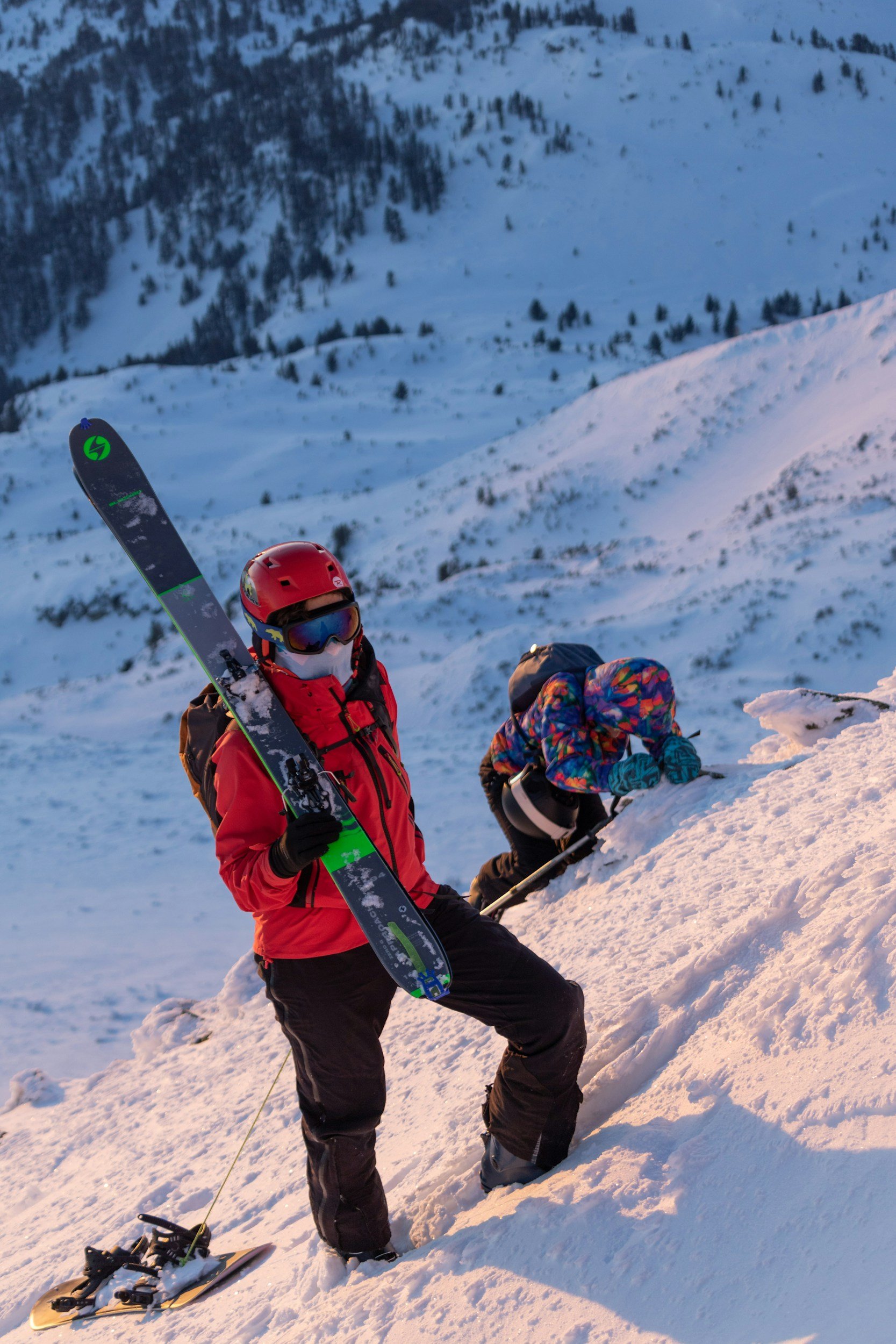
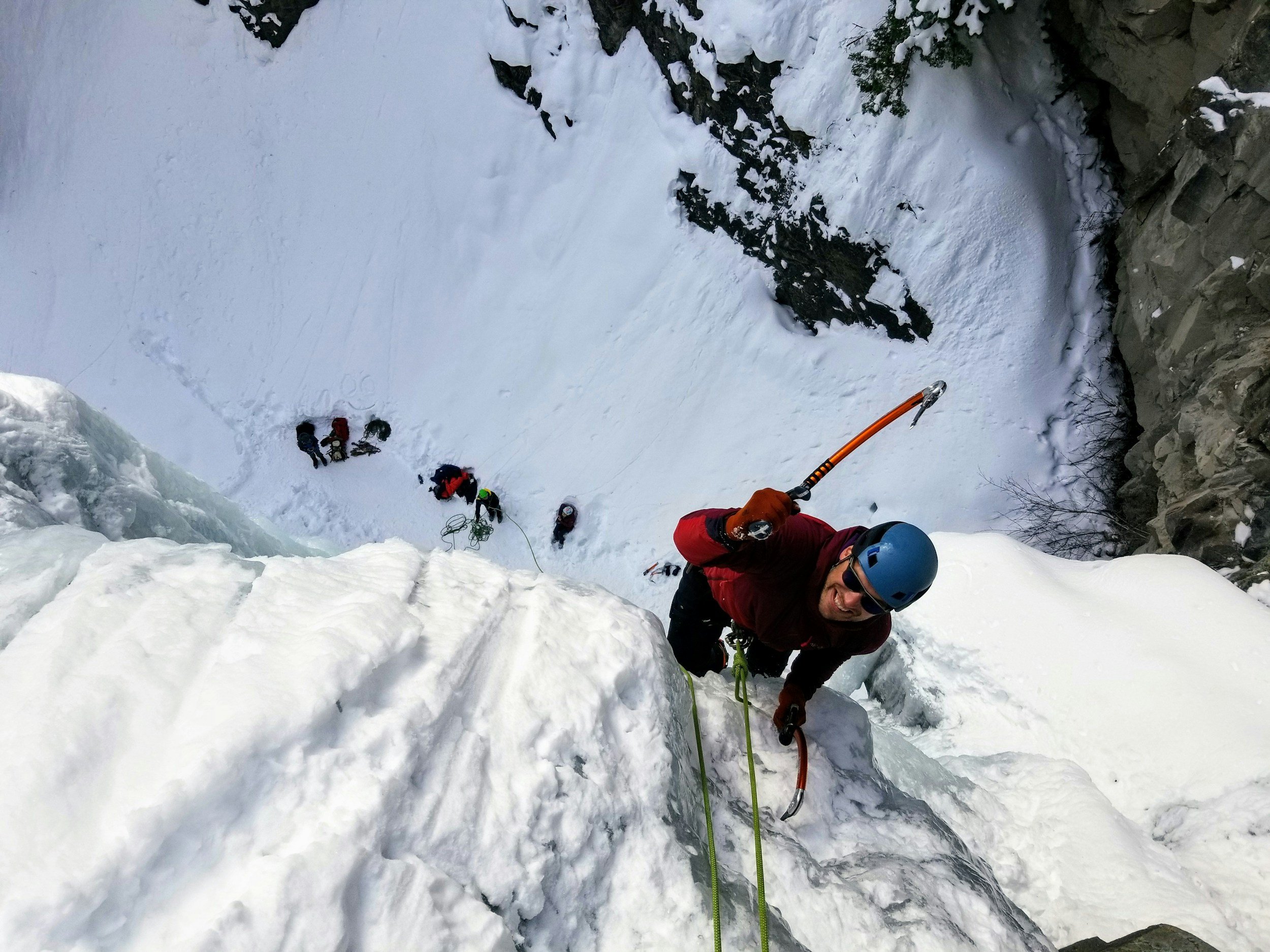
Chuck didn’t set out to focus on landscapes, but he kept coming back to them. Years spent climbing, skiing, and hiking alone took him deep into Washington State’s mountains, forests, deserts, and coastline. He still drives thousands of miles each year, searching for alpenglow on snowfields, changing weather on high ridges, and light on wet coastal rocks. His photos don’t show everywhere he’s been—they show what has stayed with him.
Those chosen images became a book. A Lifetime of Seeing: Sixty Years in Light, Landscape, and Time brings together photos and reflections from sixty years behind the camera. It follows a single thread from the darkroom to the digital sensor: light, form, and timing. The hardcover is available on Amazon.
New work: abstract painting
After years of capturing the world as it is, Chuck now creates art that doesn’t show any world at all. His abstract paintings use acrylic, watercolor, and oil pastel. He paints on canvas, watercolor paper, Mylar, and even aluminum foil, picking each surface for how it takes and reflects light.
This change isn’t as big as it seems. For sixty years, Chuck’s photos and his paintings have focused on the same things: how colors sit next to each other, how a line moves quickly or slowly, and how a frame feels crowded or empty. Painting removes the mountain and the coastline and leaves only these relationships.
In abstract expressionism, each mark shows the artist’s physical and emotional state at the time it was made. Since there is no subject to read, the viewer is not interpreting a scene. The response is more immediate: a reaction to the visual event itself. That is why the works carry sizes and materials instead of descriptive titles. He wants you to meet each piece without being told what to see.
Commercial work: Studio-99
Along with his personal Chuck runs Studio-99, a commercial photography studio in Washington State. The studio photographs industrial and multifamily properties, real estate, jewelry, cosmetics, fine art reproduction, food and drink, and lifestyle stories for brands. The promise is simple: real photography, smarter production, and bigger impact, all delivered in five days.
Chuck’s commercial work and art influence each other. Photographing jewelry requires the same control of reflection and detail as capturing a snowfield at dawn. An empty building needs the same patience with light as a coastline. Every client project is handled individually, never from a template, because each one deserves personal attention. This discipline—balancing craft, deadlines, and a client’s vision—keeps his eye sharp when he returns to the mountains or the canvas.
Artist statement
Two ideas guide all of Chuck’s work. First, most images don’t matter. He edits carefully, and only the pieces that stay with him leave the studio. Second, patience is essential. A photograph is made in the time you are willing to wait, and a painting is finished when it no longer asks for more.
Whether Chuck is standing in the cold waiting for alpenglow, lighting a ring for a client, or dragging a brush across canvas, he always asks the same question he learned in his father’s darkroom: What is the light doing, and when do you commit?
"The camera is just a tool. The act of seeing is what matters." — Chuck Koonce