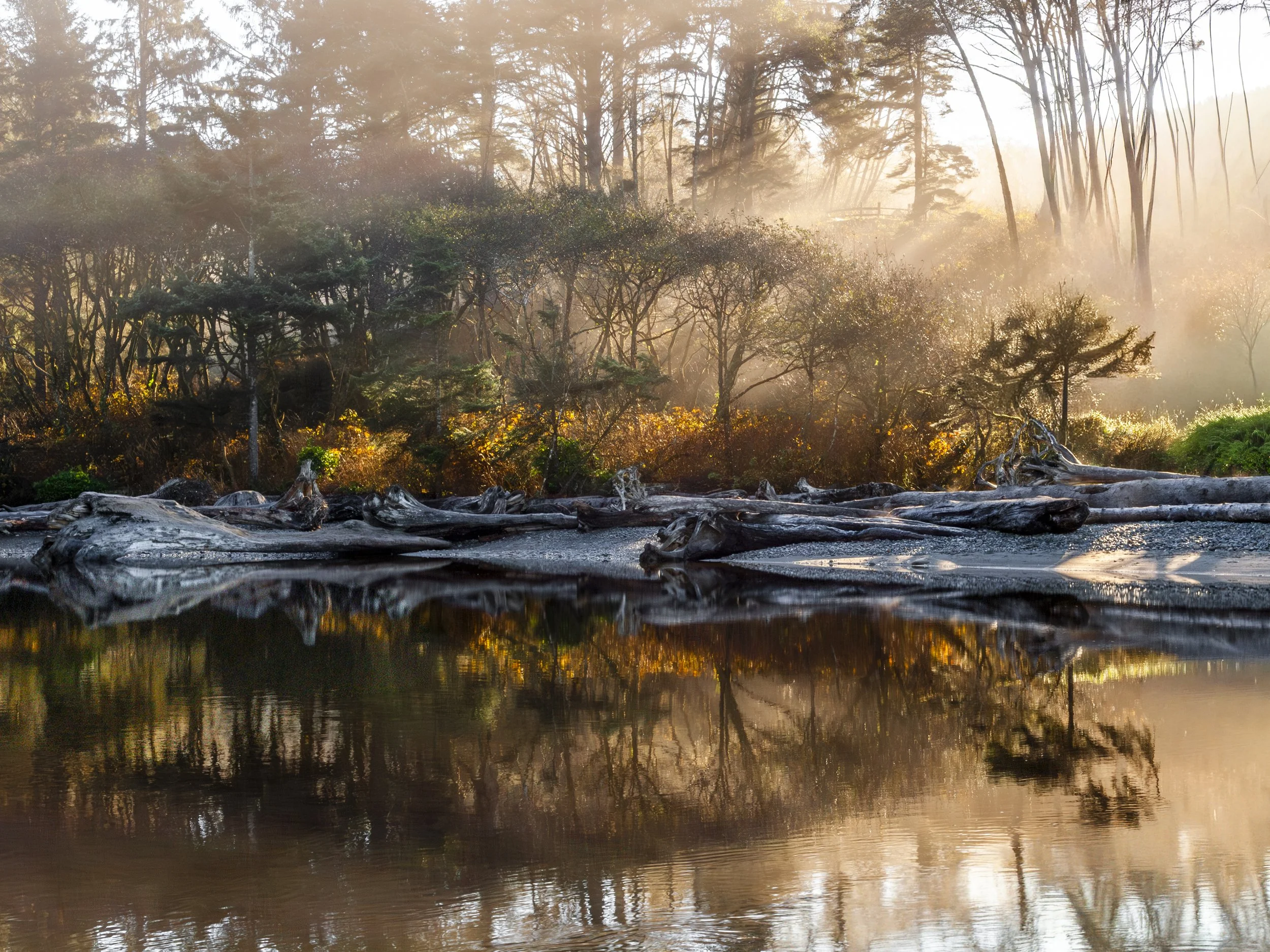
Creating a photograph with AI prompts.
This is one of the most debated questions in contemporary art, and it deserves a straightforward answer instead of a vague one.
The ethics of this issue depend a lot on how much is disclosed.
The main ethical question isn't whether AI-generated images count as art. It's about being honest with buyers. If someone sells an AI-generated image as a photograph, suggesting it was made with a camera, a lens, and a person in a real place, but doesn't say so, that's simply misleading. The buyer thinks they're getting something made with a certain human skill and presence, but they're not. This is a clear-cut issue.
If the work is sold openly, for example by saying, "this is an AI-generated image, here is my process," the ethical situation changes a lot. Now the buyer knows what they are getting and can decide for themselves. Some people will value it, others won't, and that's okay.
Things get less clear with composite work, like photographs that include AI-generated parts or images that use AI a lot in editing. In these cases, the rules about disclosure are still being worked out, and photographers are still debating where to draw the line.
There's another ethical issue that often gets overlooked: the problem with training data. Most big generative image models were trained on copyrighted photos taken from photographers and artists without their permission or payment. Selling work made with these models is built on that unresolved problem. This doesn't mean the images have no value as art, but it does mean the ethics are still complicated, even if everything is disclosed.
Is it already an art form?
In my opinion, it already is an art form, but it's still new and not clearly defined. The more important question is what kind of art it is and what real skill looks like in this area.
Some people quickly dismiss it by saying, "anyone can type a prompt, so it's not art," but that argument doesn't work. Anyone can buy a camera, but that doesn't mean photography isn't art. The real question is whether there is real craft and intention in the process. There can be: knowing how to write prompts that get certain results, building a consistent visual style, choosing the best outputs instead of just taking the first one, and mixing AI tools with other methods. These all take real skill and judgment, even if they're not the same as using a camera.
It's less clear whether just generating images by typing prompts, picking an output, and selling the print is a deep enough practice to support serious art over time. The best art usually comes from processes that challenge the artist, require problem-solving, hands-on work, and even failure. A tool that gives you what you want on the first try doesn't challenge you in the same way. Whether that challenge matters for the quality of the art is still an open question, but I think it does.
Where is it going?
I believe AI image generation will become more widely accepted as a real creative medium, with its own style, artists, and discussions, just like video art or digital art eventually were. The pushback from photographers and artists makes sense, but it's nothing new. Every new image-making technology has faced this kind of resistance.
But the work that will last in this medium will come from people who use it with real intention and thoughtful ideas, not just those who make images because it's easy and profitable. The problem of abundance is real. When anyone can make a striking image in seconds, just having visual skill isn't enough. What matters most is voice, vision, and meaning. These have always set art apart from decoration, and AI doesn't change that.
Photographers and artists who focus mainly on technical skills should probably pay attention to these changes. Those whose work is centered on ideas have less to worry about.
AI in editing for photography vs. a human. What are the advantages?
This comparison is genuinely useful because each approach has its own strengths. They are not really in competition; instead, they work best when used together.
Where AI editing has real advantages
Speed and consistency are the most obvious benefits. AI-powered tools like Lightroom's masking, Luminar Neo, or Topaz's suite can do in seconds what once took careful manual work, such as isolating a sky, detecting and adjusting a face, or removing distractions. For photographers who need to process hundreds of images from a shoot, this is a game-changer. Sorting and making basic edits on 500 photos is exhausting, but AI can handle the tedious parts, letting the photographer focus on the images that really need attention.
Noise reduction is one area where AI has truly surpassed human capabilities. Tools like Topaz DeNoise and Adobe's AI denoise can recover usable images from high-ISO files that would have been unusable before. These algorithms have learned from large datasets and can distinguish fine details much better than old-fashioned sliders.
Object removal and content-aware fill have also improved so much that their results are often hard to tell apart from careful manual cloning, and they are much faster. AI now understands context in ways earlier tools could not.
Batch processing with AI profiles is another big advantage. You can train a Lightroom preset to match your editing style and use it across a whole shoot. The AI adapts the adjustments to each image rather than applying them the same way every time.
Where the human editor has real advantages
Intentionality is the main advantage. A human editor makes choices with a goal in mind, whether it's a feeling, a story, or a certain emotion. AI aims for what looks good on average. This often works well, but it can make images look generic. They may look nice, but they don't always stand out.
AI lacks the ability to judge a photograph's context or purpose. A human editor knows whether an image is for a serious documentary or a bright commercial campaign, understands the photographer's style, and knows how the image should feel within a series. These choices affect everything from tone to the visibility of the edits.
Restraint is important here. Many AI editing tools, especially consumer-focused ones, often create images with excessive saturation, clarity, and overly dramatic skies. These effects can look impressive at first, but they are often overdone. A skilled human editor knows when to hold back and recognizes that a subtle edit can be more true to the image.
Color grading at a high level — not just high-level color grading, which goes beyond simple color correction and uses color as a creative tool- is still mostly done by humans. Balancing tones in shadows and highlights, using a slight color cast to change the mood, or choosing to desaturate one color while keeping others bright all require taste and intention. AI tools are only just starting to approach this level. A critical answer for most serious photographers is: let AI handle the technically demanding or repetitive parts — masking, noise reduction, batch baseline adjustments — and then do the meaningful creative editing by hand. The AI saves hours; the human gives the work its character. Treating them as rivals misses the point. The question isn't whether AI or human editing is better — it's knowing which decisions are worth your time and which ones aren't.
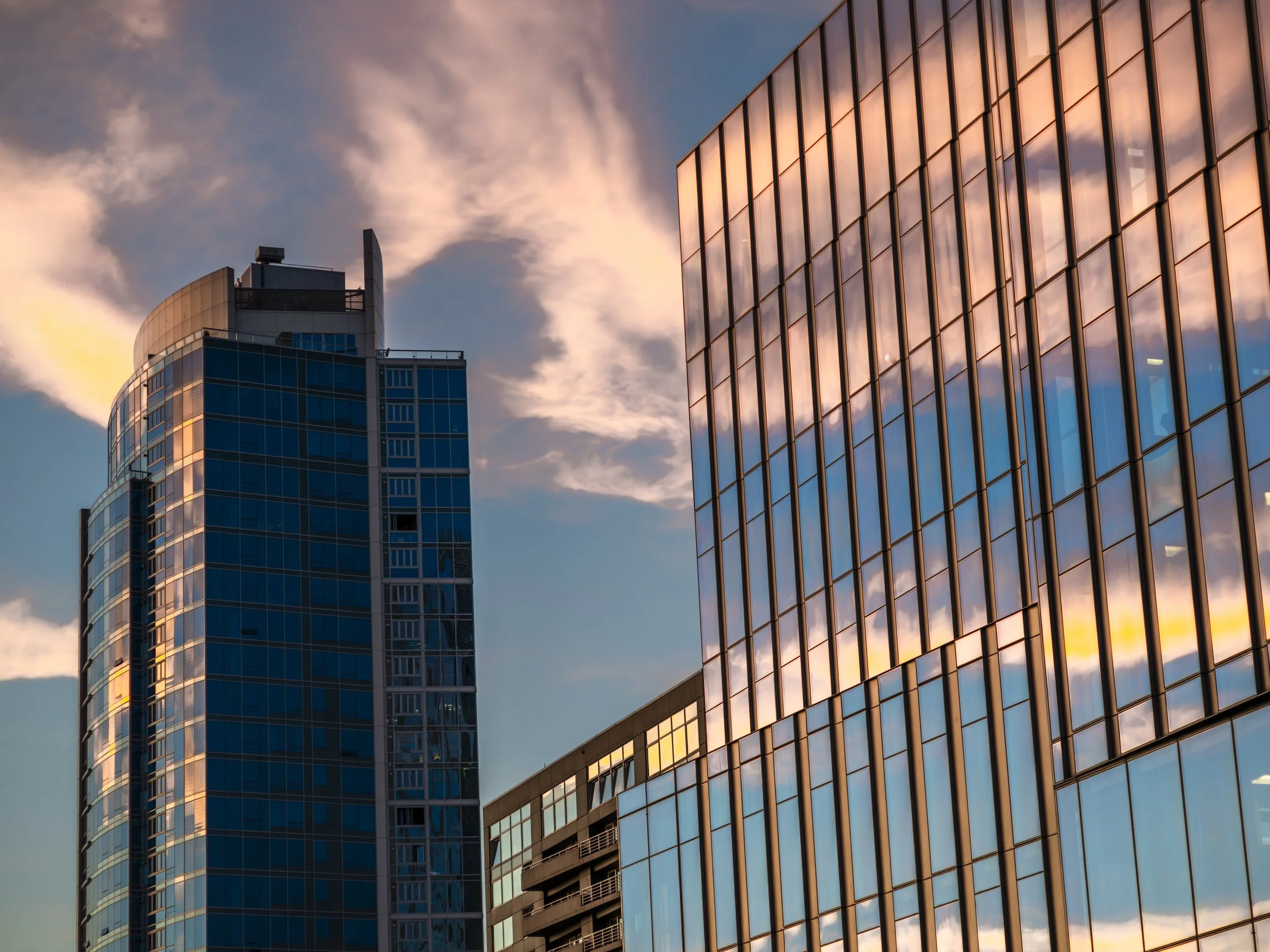
How do humans see color and how does that relate to photography?
This is an area where biology, physics, and aesthetics all come together, and understanding it can truly change how you see photographs.
How human color vision works
The eye has two types of photoreceptors. Rods handle low-light vision and are basically colorblind. They give you peripheral and night vision but only see in shades of gray. Cones, which are concentrated in the fovea at the center of the retina, handle color. There are three types of cones, each sensitive to a different range of wavelengths—roughly long (red), medium (green), and short (blue). Color perception comes from the brain interpreting the ratios of activity among these three cone types, not from directly reading wavelengths.
This leads to some interesting ideas. Color is not a property of objects; it’s created by the nervous system. The same surface can look like different colors under different lighting, but your brain adjusts so a white shirt looks white whether you’re indoors under tungsten light or outside under a blue sky. This is called chromatic adaptation or color constancy. Cameras don’t do this automatically, which is why white balance is needed in photography.
The gap between the eye and the camera
The human visual system is amazing in some ways that cameras still can’t match, but it also has limits that cameras can sometimes surpass.
Dynamic range is a major difference. Your eye can handle a huge range between the brightest and darkest parts of a scene. This is partly because your pupil adjusts, but more importantly, your visual system processes different parts of your view separately, and your brain combines the results. A camera sensor, on the other hand, captures a fixed range in one shot. That’s why blown highlights and crushed shadows are common problems in photos, and why HDR techniques exist—they try to copy what your visual system does naturally.
On the other hand, cameras are literal in ways the eye is not. A photograph records the actual light, while your eye gives you a processed, interpreted version. Color temperature differences that your brain smooths over—like the difference between shade and sunlight, or between window light and lamp light—are obvious in photos. Photographers either correct for this or use it on purpose.
Saturation and the color gamut problem
Human color vision covers a gamut, or range of colors, that no current display or print technology can fully show. The colors you can see are more than what an sRGB monitor can display, and that’s more than most print processes can handle. This is why color management is complicated, and why a photo can look one way on a screen, different when printed, and different again on another screen. Every step in photography involves translating between these imperfect color spaces.
What does this mean practically for photographers?
A few things come from all this. First, cameras notice color temperature shifts that your brain corrects for. Shooting in mixed lighting, like daylight through a window and tungsten lamps, creates color casts that you didn’t notice in person but are clear in the photo. Second, the camera’s exposure range forces you to make choices your eye never has to—like deciding which part of the tonal range to lose, which is a creative decision. Third, knowing that color is perception, not fact, gives you freedom. There’s no single “correct” color rendering, only choices that feel more or less true to how the scene felt.
Photographers who pay close attention to color temperature and light quality—the warmth and direction of late afternoon light, the cool and soft look of overcast light, or the greenish tint of fluorescent light—are really thinking about the difference between how our eyes and brains create color and how the camera records it. Closing that gap, or choosing to make it wider, is a big part of what makes a photo feel right or wrong.
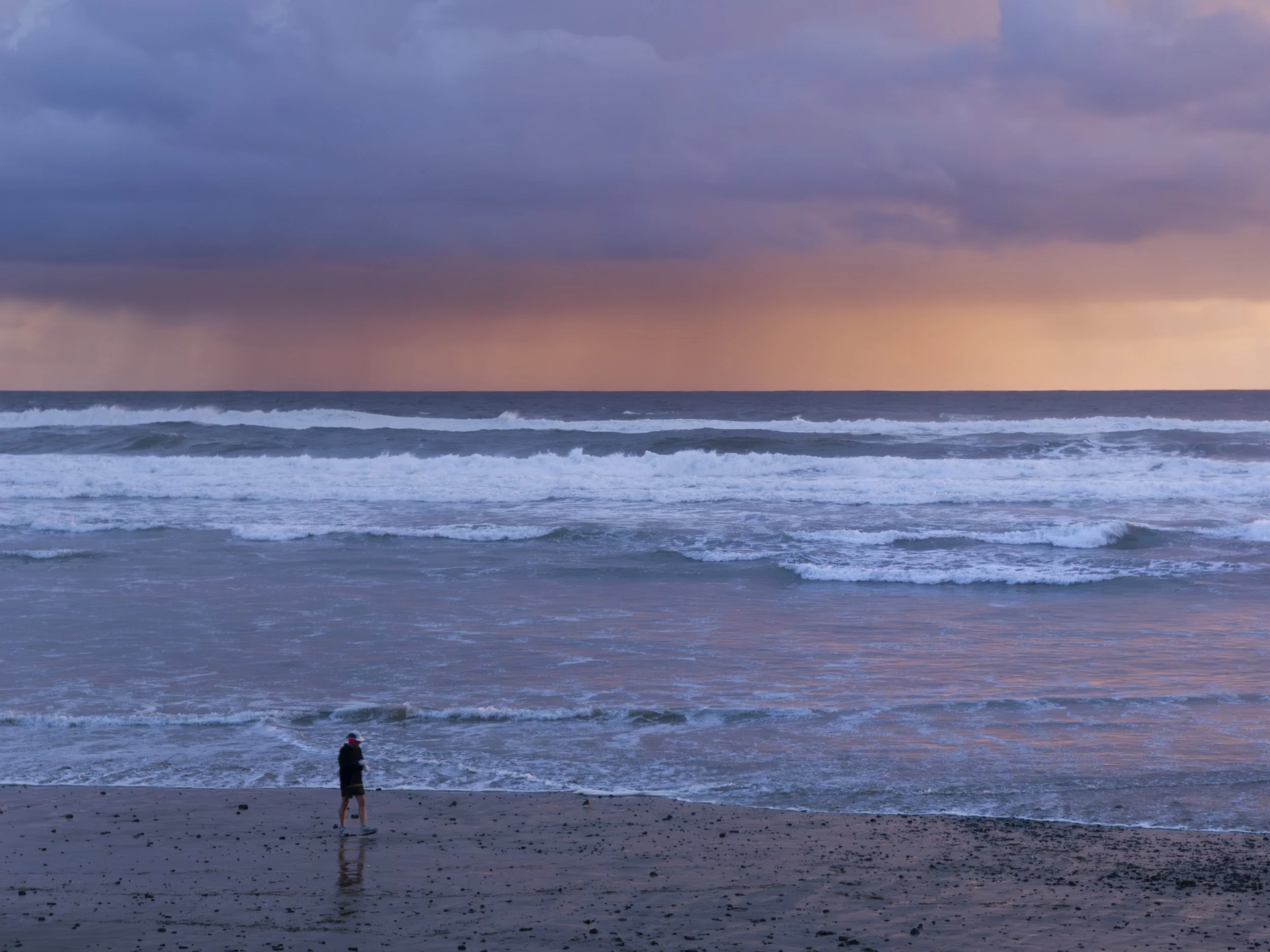
Thoughts on the evolution of AI into cameras. Using AI to automate camera operations and image capture.
There are two main phases in this process, and right now, we’re at the turning point between them.
Phase one, where AI acts as a better technician, is basically complete. Features like autofocus with subject, animal, or eye tracking, scene-based exposure, real-time noise reduction, and multi-frame computational stacking are now standard on mid-range and high-end cameras. Canon, Sony, and Nikon’s deep-learning AF systems are good examples. Here, AI automates the technical side of taking photos, which is clearly a positive step. It makes it easier to get the shot you want without changing the nature of photography.
Phase two, where AI becomes a co-author of the image, is where things get more interesting and complicated. Now, the latest developments involve generative reconstruction inside the camera’s processing: relighting, creating skies or details, and denoising that invents realistic textures instead of just recovering them, all happening on the device in real time. At this point, the line between capturing and generating an image starts to blur. A photo is no longer just a record of light hitting a sensor; it’s increasingly shaped by a model’s idea of what a good photo of that scene should look like.
This change is why the industry introduced a countermeasure this year: C2PA hardware signing, which is now available on Sony’s professional cameras (Alpha 1 II, Alpha 9 III, FX3/FX30) and is being added to Canon’s Authenticity Imaging System for newsrooms. It’s a meaningful step, but there’s an important limitation to note. C2PA can prove where and when a file was created (for example, this file came from this sensor at this time), but it cannot prove that AI generation was not involved. It only records what the camera or creator claims, not whether the image was synthesized. Nikon’s attempt actually had problems—they released C2PA on the Z6 III, discovered a security flaw, and had to revoke all certificates, which still haven’t been restored. This shows that the “trust infrastructure” is still not as mature as the generative technology it’s supposed to oversee.
Here’s my real opinion: mechanical automation is a clear benefit for working photographers because it lets them focus on composition and timing instead of struggling with their equipment. I’m more cautious about the generative side, not because the technology is bad, but because it quietly shifts who is really creating the image. When a camera decides what a “good” sky or face should look like, the photographer’s job moves from capturing reality to choosing from the AI’s version of it, often without making that clear to the viewer. In art and photography, this has two effects. It makes things more accessible, since technical barriers keep dropping, but it also makes results more similar, as everyone’s “AI-optimized” photos start to look the same. The systems for proving authenticity, like C2PA and whatever comes next, are going to become much more important than most people realize, especially since the technology is moving faster than these safeguards.
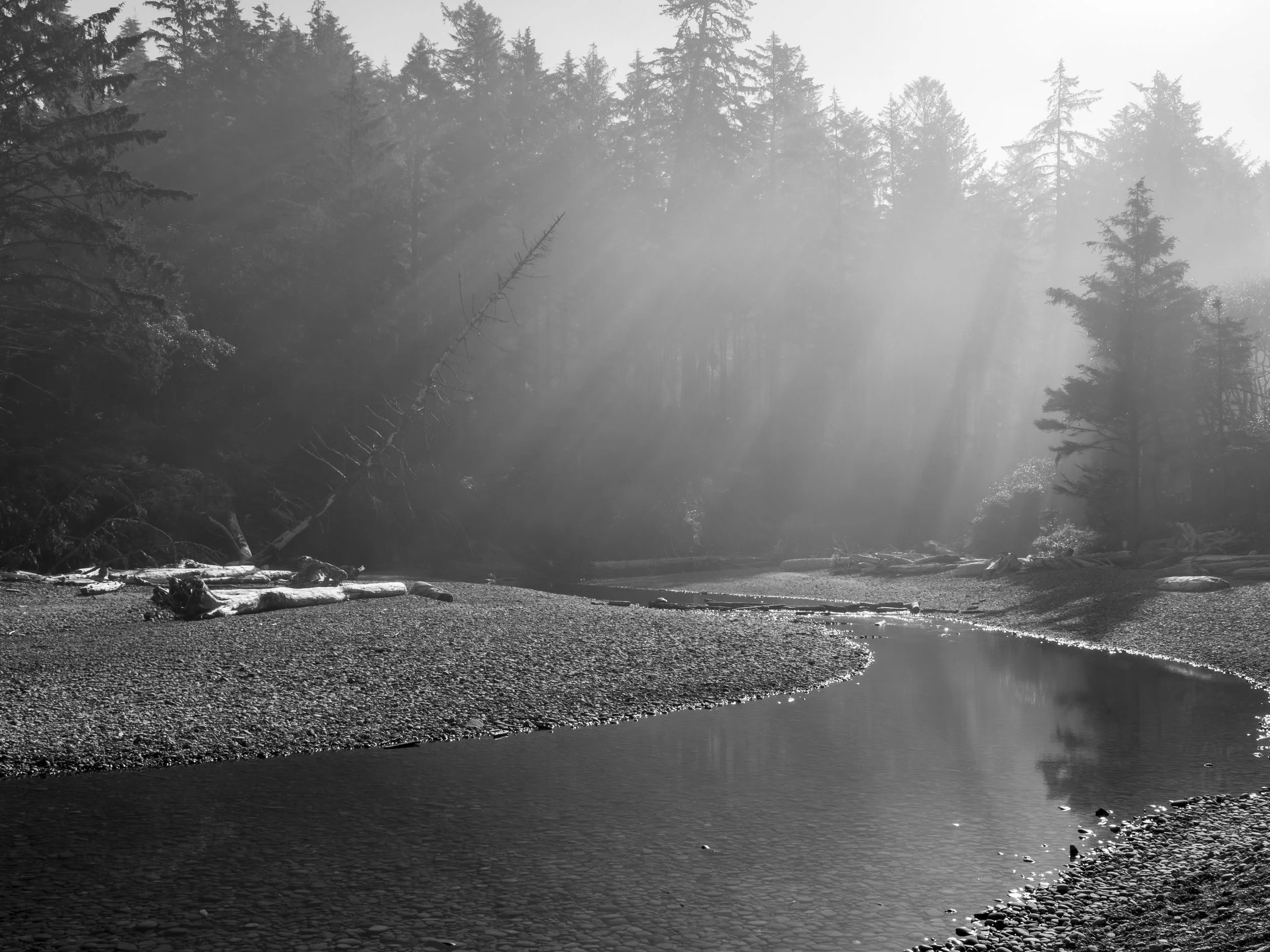
Thoughts on how the fine art photography market is responding to AI. The question of what makes a photographic artwork valuable, when images can be generated in abundance
This is one of the more genuinely unsettled questions in the art market right now, and I don't think anyone has clean answers yet. But some interesting patterns are emerging.
The market is bifurcating, not collapsing
At the high end — established names, estate prints, historically significant work — prices have held and in some cases strengthened. A vintage Diane Arbus print or a large-format Edward Weston isn't competing with Midjourney. The value there was never purely visual; it's bound up with provenance, historical significance, the physical object's relationship to a specific moment in time. AI has essentially no effect on that tier.
The middle market — emerging and mid-career photographers selling edition prints — is where the pressure is real and unresolved. When a collector can generate a visually sophisticated landscape or portrait in minutes, the question "why buy this?" becomes harder to answer on purely aesthetic grounds alone.
What the market is learning to value
A few things seem to be crystallizing as genuine differentiators:
Process and presence. Work that is visibly, verifiably the product of a human being in a specific place at a specific time carries something AI cannot replicate — the implicit testimony that someone was there. Documentary landscape, street photography, wildlife work. The image is evidence of an encounter, not just a visual outcome.
The physical object itself. Serious collectors have always cared about the print, not just the image. Fine platinum-palladium prints, large-format silver gelatin work, pieces with visible material presence — these assert their physicality in a way a generated image on a screen simply doesn't. Photographers who print beautifully are finding this matters more, not less.
Depth of practice and artistic identity. Single images are losing ground; bodies of work with a legible vision, sustained over years, are holding up better. A collector buying into a photographer's long-term project is buying into a person's way of seeing, their obsessions, their history. That's not generatable.
Community and relationship. This sounds soft but it's economically real. Many photographers who are thriving sell to people who know them, follow their work over time, feel some connection to the artist's life and perspective. The gallery model is weakening but direct relationships — studios, newsletters, Patreon-style communities — are sustaining photographers who build them.
The uncomfortable question
There's a harder issue underneath all this, which is that a lot of photographic fine art was already trading on aesthetics that AI can now replicate reasonably well — moody landscapes, beautiful light, compositional elegance. If that was the primary value proposition, the market disruption is legitimate and probably irreversible.
The photographers who will suffer most are those whose work was technically accomplished but conceptually thin. The ones who will be fine are those whose work asks something, argues something, or bears witness to something that requires a human life behind the camera.
The legitimacy debate
There's also a live argument about whether AI-generated images should be considered photography at all, or whether they constitute a new category. Most serious institutions and competitions have drawn a hard line — World Press Photo's disqualifications, for instance — which is both protecting photographic integrity and also, frankly, protecting market value. That line will get harder to hold as tools for generating photorealistic imagery improve and as the disclosure ethics get murkier.
My honest sense is that fine art photography is going through something similar to what painting went through after the camera was invented — a period of genuine identity crisis that ultimately forced the medium toward what it could do that the new technology couldn't. Photography survived by becoming more itself. The same pressure is now being applied from the other direction, and the photographers who respond by going deeper into what only a human with a camera in the world can do will likely be fine. Those who don't will find the ground increasingly unstable.
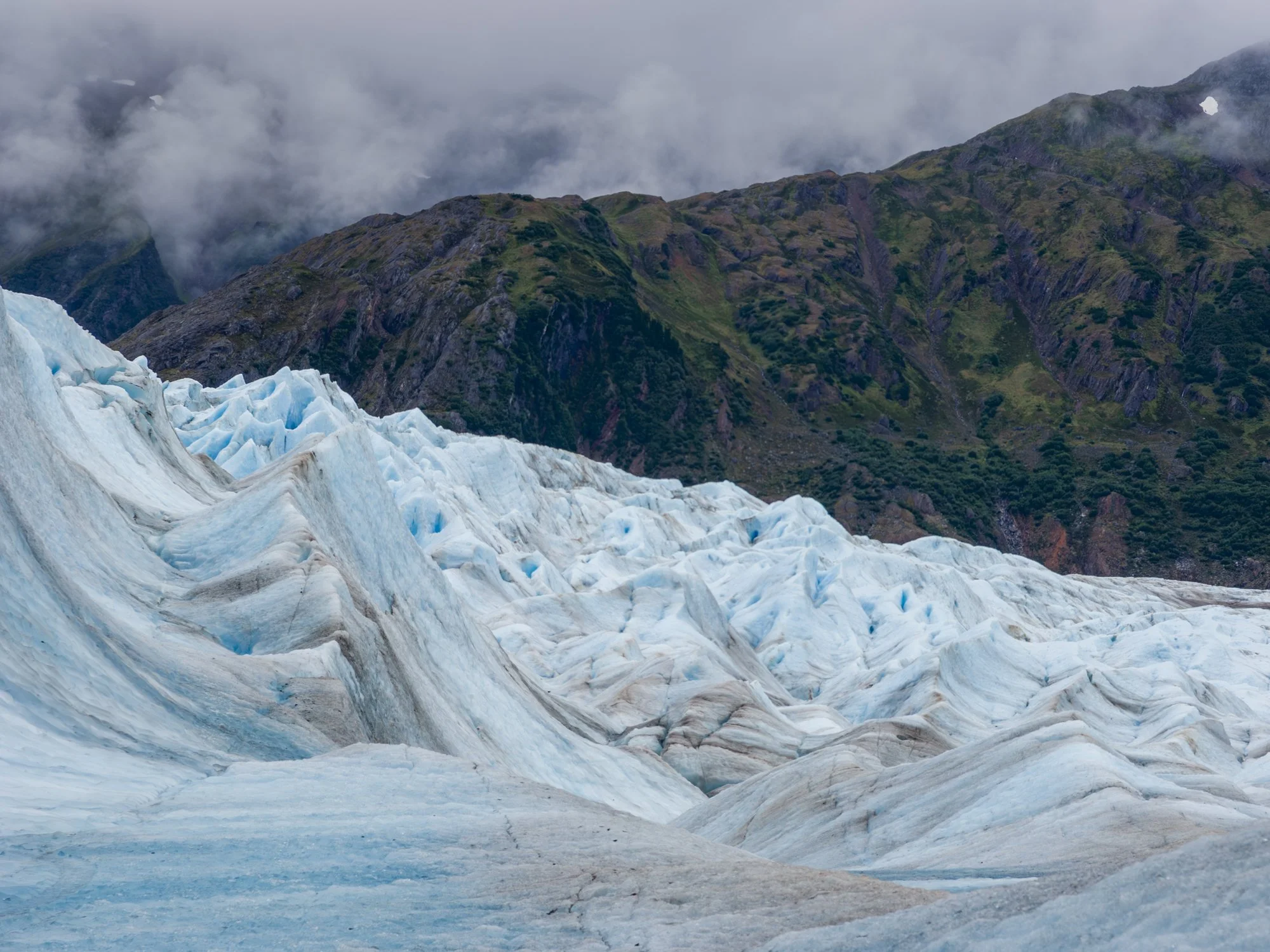
Photography of intimate and overlooked landscapes.
This is where I think the most rewarding work in landscape photography is happening right now, and the approach is almost the opposite of how most people start out.
Start with proximity, not destination
The instinct is to plan a trip somewhere dramatic and then try to find images. Flip that. Spend serious time within an hour of where you live — places you pass constantly but never stop to look at. Familiarity is actually an asset here because you'll be there in ordinary light, in rain, in winter, in fog. You'll see the same field in twenty different moods, and eventually one of those visits will surprise you. Ansel Adams made some of his most interesting work within walking distance of his house.
Let go of the "hero" light obsession
Golden hour and blue hour are genuinely beautiful, but chasing them has become so reflexive that it's almost a cliché. Overcast light — which most photographers treat as a failure condition — is actually extraordinary for intimate work. It's soft, directionless, and it renders texture and color in ways that harsh sunlight flattens. A wet field under grey sky, a line of winter trees in flat November light — these have a quietness that punchy sunrise shots don't.
Look at what's in between the obvious subjects
When you're in a "beautiful" location, everyone photographs the view. But the things at your feet, the transition zones, the edges where one environment meets another — these are almost always ignored and often more interesting. The margin of a pond, the patch of moss on a stone wall, the way light falls on ordinary grass. Scale down. A 100mm lens or a macro will open up a completely different sense of place than a wide angle trying to take everything in.
Mood over spectacle
The intimate approach is fundamentally about feeling rather than impressing. Ask yourself not "is this dramatic?" but "does this feel like something?" A muted, slightly melancholy image of an unremarkable lane in winter can carry more genuine emotion than a technically perfect shot of a famous mountain. This means being willing to make photographs that won't perform well on social media — which is actually a useful filter for whether you're working authentically.
Keep a shooting journal
Return to the same places repeatedly and note the conditions. Not every visit produces anything, but over time you build an intuition for when a particular spot is likely to do something interesting. Intimate landscape work rewards patience and local knowledge far more than expensive travel.
Photographers worth studying in this vein
Jem Southam's long-term studies of specific ponds and quarries in England. Michael Kenna's quiet, often sparse work. Paul Strand's later landscape work. More recently, people like Laura Letinsky, who works the boundary between landscape and still life. These are photographers who made a virtue of limitation rather than fighting it.
The underlying principle is really about attention — slowing down enough to actually see what's in front of you rather than hunting for the image you already have in your head.
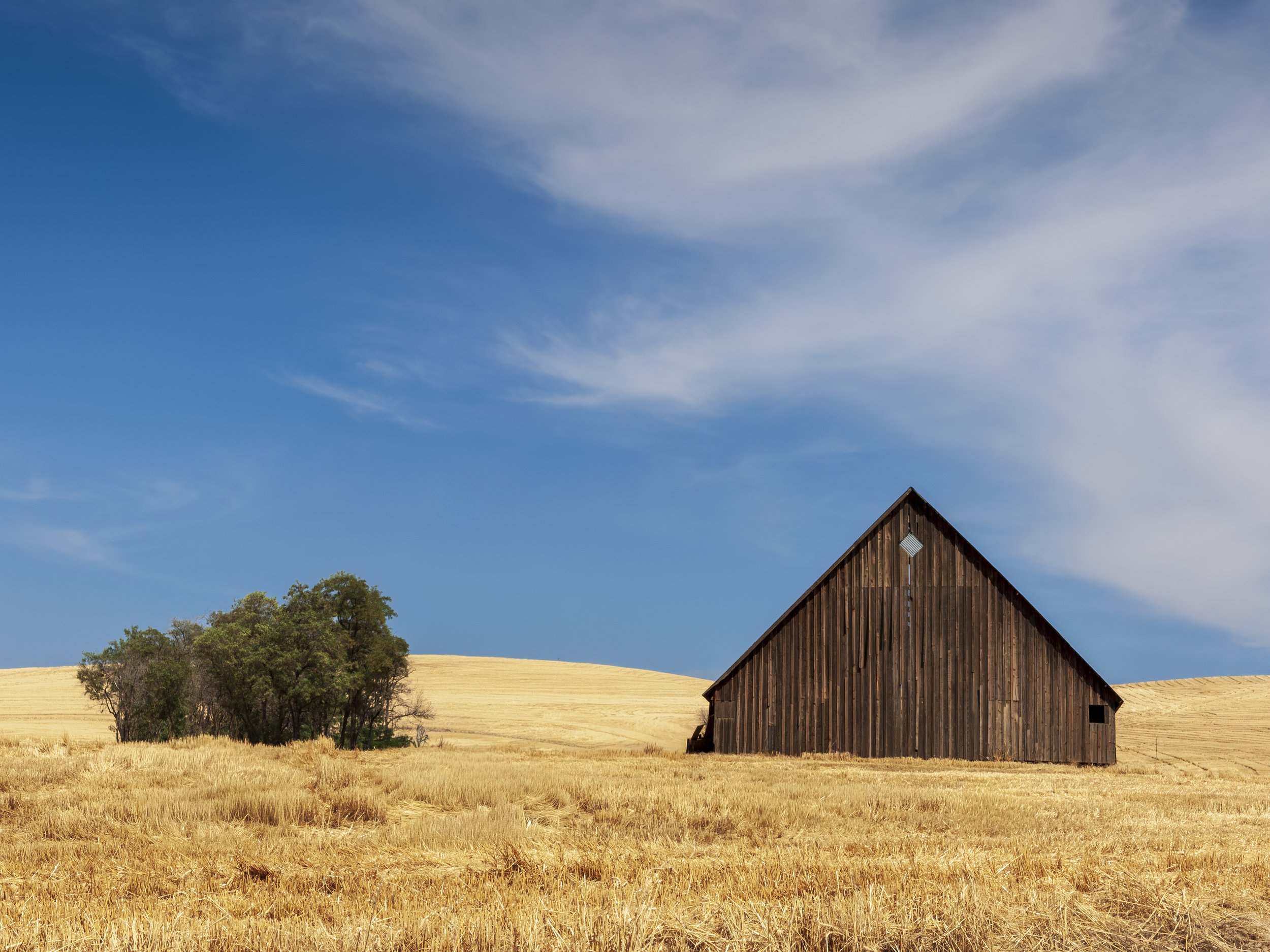
The future of landscape photography
Landscape photography is at a genuinely interesting inflection point right now, and I think several tensions are going to define where it goes.
The most obvious pressure is computational photography. AI-assisted editing, generative fill, and sky replacement tools have made technically "perfect" landscape images almost trivially easy to produce. The question this raises isn't really about technique — it's about authenticity. When a viewer sees a dramatic shot of a stormy sky over a mountain range, there's an increasingly valid question of whether any of it was actually there at the same time. That ambiguity is going to push serious practitioners toward documentation-style transparency, while others will embrace the image-as-artwork-regardless-of-origin approach. Both will find audiences, but they'll diverge into distinct genres rather than sharing one.
Climate change is quietly reshaping the subject matter itself. Glaciers that defined iconic shots are gone or going. Certain wildflower blooms, forests, and coastlines are shifting or disappearing. This gives landscape photography an unexpected documentary urgency — there's real value in photographing places as they are now, before they change further. That's a compelling reason for the genre to matter that didn't exist in the same way a generation ago.
Drone photography opened up compositional possibilities that were once reserved for helicopter-budget productions, but I think the novelty of the bird's-eye view has largely peaked. The images started feeling formulaic — the same S-curve river, the same shadow-and-light patterns from above. The photographers who are doing interesting work now tend to use drones more sparingly, as one tool among many.
What I find most exciting is a kind of counter-movement toward the intimate and the overlooked. After decades of iconic locations being so thoroughly photographed that arriving at the scene feels like walking into a known image, some photographers are finding fresher ground in the mundane and local — ordinary fields, suburban edges, weather on unremarkable days. That work often has more genuine feeling than the hundredth technically flawless shot of Torres del Paine.
The gear ceiling has also effectively disappeared for most practical purposes. The limiting factor is no longer equipment — it's vision, patience, and the willingness to be somewhere at the right moment. That's actually a healthy place for any art form to be.
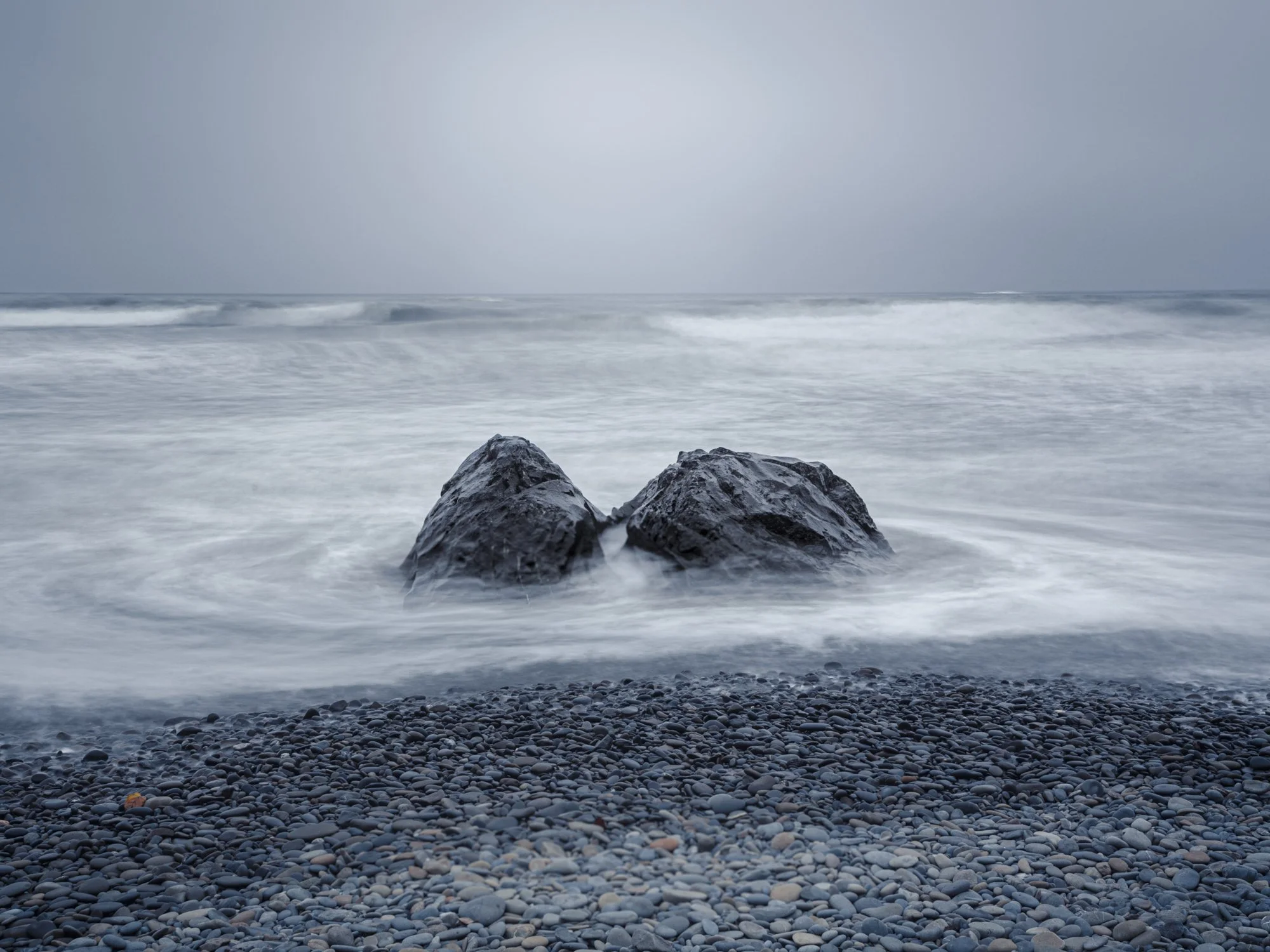
AI's effect on the creation of art. Will it replace artists in some way? Will it create art on it's on?
This is one of the more genuinely fascinating questions of our moment, and I find myself with real views on it.
AI will change art profoundly — but "replace" is the wrong frame.
Art isn't just the artifact produced. It's the intention, the struggle, the meaning-making of a human consciousness grappling with existence. When a painter labors over a canvas, or a poet searches for the exact right word, the difficulty is part of what makes the result meaningful. The work is evidence of a mind wrestling with something. AI doesn't wrestle — it interpolates from patterns.
That said, I think a few things are genuinely happening:
What AI is already doing: It's democratizing production. Someone with a vision but not technical skill can now approximate that vision visually. It's collapsing the cost of "good enough" imagery, illustration, and music to near zero. This is genuinely disruptive to illustrators, stock photographers, and composers working in commercial spaces — people whose livelihood depended on being the affordable option.
What AI can't do: It can't have an authentic point of view rooted in lived experience. It can't take a risk. It doesn't know what it feels like to lose someone, or to be afraid, or to be surprised by joy. The art that moves us most tends to be exactly that — a transmission from one consciousness to another. AI can produce beauty; it can't produce testimony.
The "creates on its own" question is philosophically tricky. Right now, AI generates in response to prompts — it's essentially a very sophisticated mirror of human creativity. Whether it could ever develop something like genuine aesthetic intention is an open question tied to deeper questions about consciousness that nobody has answered yet.
My honest assessment: AI will probably replace a significant portion of commercial art work — the functional, the generic, the fast-turnaround. It will become a powerful tool for artists who learn to use it, the way photography didn't kill painting but forced painting to become more itself. The artists who survive and thrive will likely be those whose work carries something irreducibly personal — a voice, a perspective, a presence that can't be averaged out of a training set.
The deeper risk isn't that AI makes human art obsolete. It's that we become so flooded with frictionless, beautiful, hollow content that we forget how to recognize — or hunger for — the real thing.
The philosophical core of the problem
Art has always been, at its deepest level, about mortality and meaning. Humans make things because they die. The cave paintings at Lascaux weren't functional — they were a shout across time: I was here. I saw this. This mattered to me.Every great work of art is in some sense an act of defiance against oblivion.
AI has no oblivion to defy. And that changes everything about what it produces, even when what it produces is beautiful.
There's a philosopher named Walter Benjamin who wrote about the "aura" of an artwork — the sense that it exists in a specific time and place, that it carries the trace of its making. He thought mechanical reproduction (photography, printing) threatened that aura. AI takes this several steps further. When an image can be conjured in seconds from statistical patterns, what happens to the aura? Does it dissolve entirely, or does it migrate — becoming something that now attaches only to work that is demonstrably, verifiably made by a human hand struggling against limitation?
How this reshapes creativity over time
I think we're heading toward something genuinely new, and it will unfold in a few phases.
In the near term, there will be enormous confusion — a kind of aesthetic vertigo where audiences aren't sure what they're looking at or what it means. This is already happening. People feel vaguely unsettled by AI art without always being able to articulate why. That unease is philosophically important. It's the intuition that something is missing, even when nothing is technically wrong.
Over time, I suspect human creativity will become more extreme in both directions. On one end, you'll have radical intimacy — art that foregrounds its human origins almost aggressively. Rough edges kept intentionally. Process made visible. The mistake left in. Artists essentially saying: look, a person made this, with hands, with doubt, in time. Folk art and craft traditions may experience a renaissance for exactly this reason.
On the other end, you'll have artists who fully dissolve into collaboration with AI — treating it like a landscape to explore rather than a tool to use. Using it to access aesthetic territories no individual mind could reach alone. This could produce genuinely new forms we don't have language for yet, the way early cinema borrowed from theater before realizing it was something else entirely.
The deeper philosophical shift
What I find most profound is what this does to our concept of authorship and intention. Western art has been obsessed with the individual genius — the singular vision, the recognizable hand. That idea is maybe only a few hundred years old, and it may not survive this.
Older traditions — medieval icon painting, anonymous folk songs, oral epics passed between bards — didn't center the individual creator. The work belonged to a tradition, a community, a practice. AI might push us back toward something like that, where what matters isn't who made something but what the work does, what it transmits, what conversation it enters.
That could actually be liberating. It might free creativity from ego and return it to something more like service — art made to illuminate, to connect, to grieve, to celebrate, rather than to establish the artist's identity.
The question underneath the question
What I keep coming back to philosophically is this: if AI can produce work that is indistinguishable from human art, and we can no longer tell the difference, does that reveal that we never fully understood what we were responding to in art in the first place? Or does it reveal that the context of making — the human story behind the work — was always doing more of the emotional work than the object itself?
I lean toward the latter. And if that's true, then the future of art isn't about objects at all. It's about presence, relationship, and witness. The art that survives will be the art that puts us in genuine contact with another consciousness — and that, for now, remains irreducibly human.
Though I'll admit — the "for now" at the end of that sentence gives me genuine pause.
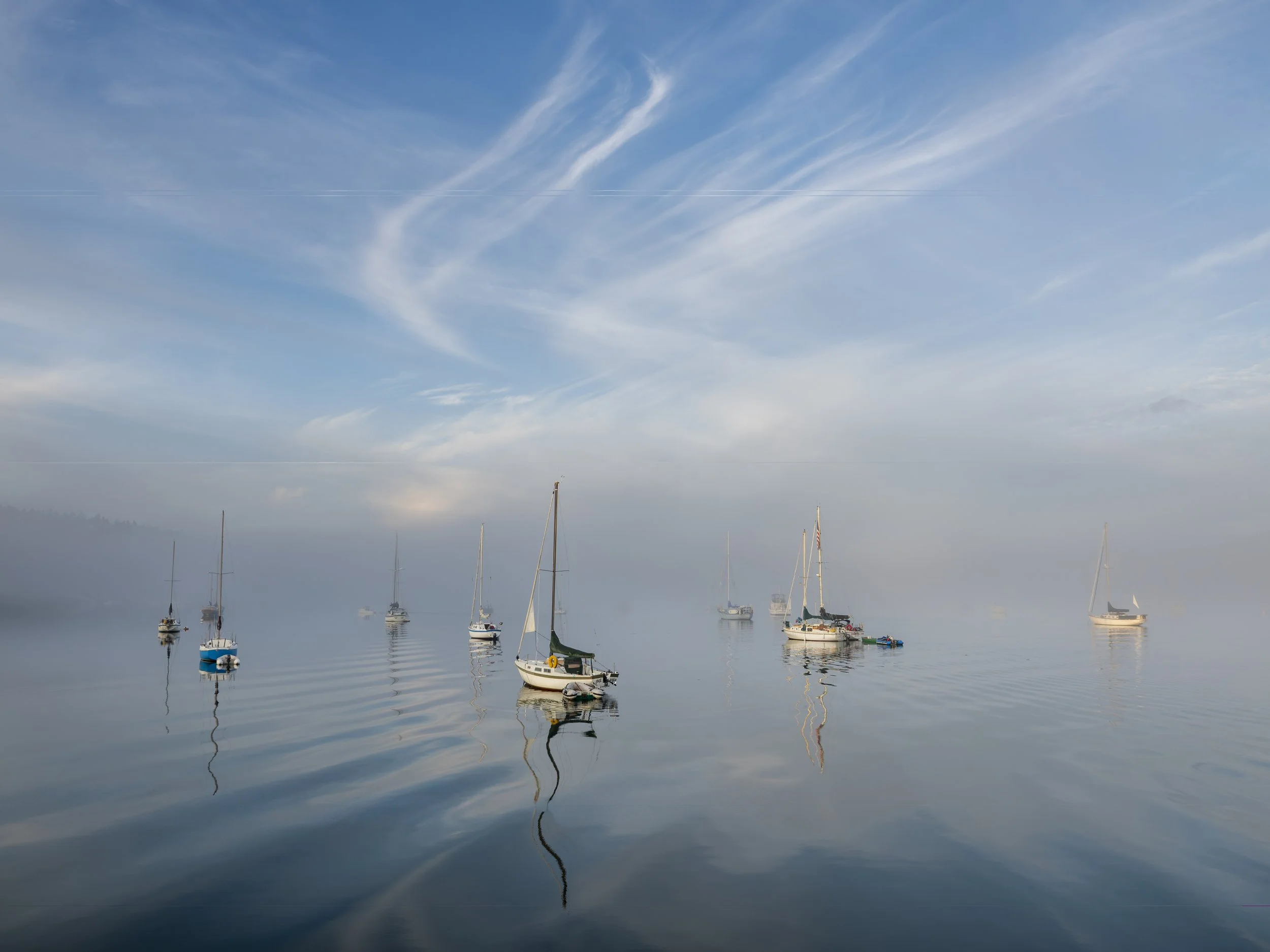
Why create art
This is one of those questions that humans have been circling for thousands of years, and the fact that it keeps getting asked is itself part of the answer.
Because we can't not. Art-making appears in every human culture ever studied, without exception — cave paintings, body decoration, music, storytelling. It predates writing, predates agriculture, predates most of what we call civilization. Whatever drive is behind it seems to be baked into us at a pretty deep level. Children make art before anyone teaches them to. That suggests it's not a luxury behavior but something closer to a need.
To make sense of experience. Life hands us things — grief, joy, confusion, awe, injustice — that are too large or too shapeless to just absorb and move on from. Art is one of the ways humans process what happens to them. The act of shaping an experience into something — a painting, a poem, a song — imposes form on what felt formless. That process is itself a kind of understanding. Many artists describe making work not as expressing something they already know, but as discovering what they think or feel in the act of making it.
To communicate what language can't. Language is powerful but limited. There are interior states — certain kinds of longing, the texture of a particular memory, a feeling that has no name — that resist being put into words. Art reaches for those places. A piece of music can convey something about grief that a sentence about grief simply cannot. This is why art and language have coexisted for so long rather than one replacing the other.
To connect. When a work of art moves you, there's an implicit recognition that another person felt something true enough and real enough to make it, and that you share in that feeling across whatever distance of time or culture separates you. That's a profound form of human connection. People weep in front of paintings made by people dead for centuries. That shouldn't work, and yet it does.
To push back against time. There's an old Latin phrase — ars longa, vita brevis — "art is long, life is short." People die. Art, sometimes, doesn't. Making something is a way of leaving a mark, of saying I was here and this is what it was like.That impulse isn't vanity exactly — it's more like a refusal to be entirely erased.
Because the process itself has value. Separate from any finished product, making art requires a particular quality of attention — full presence, problem-solving, the integration of hand and eye and mind. Many artists describe being in a creative state as one of the most alive they feel. The psychologist Mihaly Csikszentmihalyi called this "flow" — a state of absorbed engagement where self-consciousness drops away. Art is one of the most reliable paths to it.
To imagine otherwise. Art lets us rehearse realities that don't exist yet — different social arrangements, different selves, different possibilities. It's one of the ways cultures think out loud about who they are and who they might become. In that sense, art isn't separate from the world; it's part of how the world changes.
The honest answer is probably that no single reason covers it. People create art for all of these reasons at once, and for reasons that are entirely personal and don't generalize at all. But underlying almost all of them is something simple: the impulse to take what's inside and give it a shape in the world. That impulse seems to be one of the most distinctly human things there is.
Composition in art
Composition in art refers to how the elements within a work are arranged — it's essentially the decision-making behind where things go and why. A strong composition guides the viewer's eye, creates a sense of balance or tension, and gives the work a feeling of intentionality.
The core idea is that a painting, photograph, or drawing isn't just a collection of objects — it's a deliberate organization of visual elements in space. Two artists could depict the exact same subject and produce wildly different works simply based on how they chose to arrange things.
Some key principles that inform composition:
Rule of thirds. Imagine dividing your canvas into a 3×3 grid. Placing your focal point at one of the four intersections (rather than dead center) tends to feel more dynamic and natural to the eye. Dead-center compositions can work, but they usually convey stillness or formality rather than energy.
Leading lines. Roads, rivers, fences, shadows — any line in a composition can pull the viewer's gaze toward (or away from) a focal point. Diagonal lines tend to feel active; horizontal lines feel restful; vertical lines feel strong or imposing.
Balance. A composition can be symmetrically balanced (mirror-image arrangements that feel stable and formal) or asymmetrically balanced (a large object on one side counterweighted by several smaller elements on the other). Asymmetry is often more visually interesting.
Negative space. The empty areas around a subject are just as much a compositional tool as the subject itself. Generous negative space can create breathing room, isolation, or a sense of scale.
Framing. Artists often use elements within the scene — a doorway, tree branches, an archway — to frame the main subject. This focuses attention and adds depth.
Depth and perspective. Overlapping elements, scale differences, atmospheric haze, and vanishing points all give a flat surface the illusion of three-dimensional space, which dramatically affects how a composition feels to move through visually.
The reason composition matters so much is that it operates below conscious awareness for most viewers. Someone might not be able to say why a painting feels uneasy or serene, but the composition is often the culprit. A horizon line placed too high or too low, a subject uncomfortably crowded into a corner, or a chaotic tangle of lines with no clear focal point — these all affect how we feel when we look at something, even before we process what we're actually seeing.
How do we see art
That question works on a few different levels, and they're all interesting.
Physically, seeing art is the same as seeing anything else. Light reflects off a surface, enters the eye through the cornea and lens, hits the retina where photoreceptor cells (rods for light/dark, cones for color) convert it into electrical signals, and those signals travel via the optic nerve to the visual cortex at the back of the brain. From there, different regions handle different tasks — one area processes edges and shapes, another handles color, another motion. The brain assembles these streams into a unified image. What we "see" is actually a construction, not a direct recording of reality.
Perceptually, art exploits the quirks of this system. Artists have long understood, intuitively and then scientifically, that the eye is drawn to contrast, to faces, to movement, and to edges. The Impressionists discovered that placing complementary colors next to each other created a vibrancy that mixed pigment couldn't achieve, because they were essentially hacking how the eye blends colors at a distance. Pointillism is a direct experiment in this — up close it's dots, from across the room it becomes a coherent scene.
Cognitively, we never see art neutrally. The brain is constantly pattern-matching against everything it already knows. When you look at a painting, you're simultaneously recognizing objects, reading emotional cues (a slumped figure, stormy sky), applying cultural context, and drawing on personal memory. Two people looking at the same painting are, in a meaningful sense, seeing different things. A person who grew up near the sea will experience a seascape differently than someone who never has.
Emotionally, there's a phenomenon sometimes called "aesthetic emotion" — a response that's distinct from ordinary emotional reactions. Neurologically, engaging with art activates reward pathways, the same circuits involved in music, food, and social connection. A painting that moves you is doing something measurably real in your brain's chemistry.
There's also a concept worth knowing: mirror neurons, which fire both when you perform an action and when you watch someone else perform it. Some researchers believe these play a role in our response to art — that when we look at a depicted gesture or a brushstroke full of energy, we unconsciously simulate the movement, which is part of why art can feel visceral and not just intellectual.
And then there's the role of expectation and violation. Art often works by setting up a pattern and then breaking it — a rhythm interrupted, a symmetry disturbed, a color that shouldn't be there. Our brains are wired to notice deviation from expectation, and artists use that tension deliberately to hold attention and create meaning.
So the short answer is: we see art with our eyes, but we experience it with everything else.
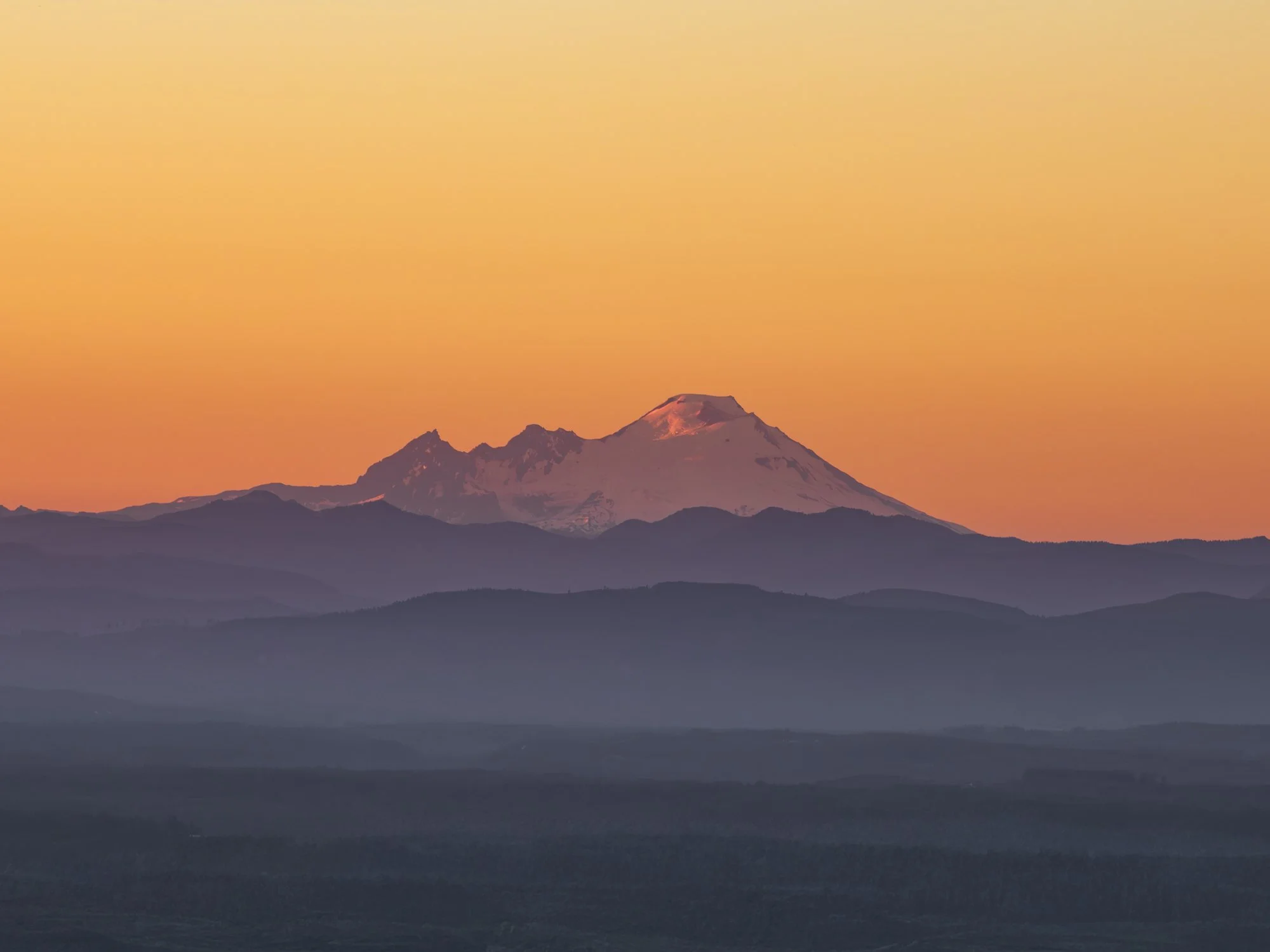
Light
It All Begins Here
Light is fundamental to photography for several interconnected reasons:
Exposure and image formation. At the most basic level, photography literally means "drawing with light." Without light striking the sensor or film, there is no image. The amount, intensity, and duration of light determine whether a photo is properly exposed, underexposed, or overexposed.
Mood and emotion. The quality of light shapes the emotional tone of an image. Soft, diffused light from an overcast sky feels calm and intimate, while harsh midday sun creates drama and tension. Warm golden-hour light evokes nostalgia and romance, while cool blue twilight suggests stillness or melancholy. The same subject photographed in different light can tell completely different stories.
Dimension and depth. Light reveals form by creating highlights and shadows. Side light sculpts texture and shape, making subjects feel three-dimensional. Flat, frontal light tends to flatten features, while backlight can produce silhouettes or ethereal rim-lighting effects. Without directional light, photos often look lifeless.
Color and atmosphere. Light has color temperature, ranging from the warm amber of sunrise to the cool blue of shade. This affects skin tones, landscapes, and the overall feel of an image. Atmospheric conditions like fog, haze, or smoke interact with light to create mood and a sense of distance.
Direction of attention. Photographers use light to guide the viewer's eye. A bright spot in a dark scene draws focus immediately. Selective lighting, vignetting, and contrast are all ways of using light to emphasize what matters and downplay what doesn't.
Time and place. Light is also a storyteller. The long shadows of late afternoon, the harsh overhead sun of noon, the blue hour after sunset — each tells the viewer something about when and where the photo was taken. In your Harts Pass photo, for instance, the light would say a great deal about the time of day, the weather, and the feel of being there in 2003.
Texture and detail. Raking light across a surface reveals texture that flat light hides. This is why landscape photographers chase early and late light — it brings out the ridges, ripples, and contours of the land.
Technical creativity. Light is also a tool for creative control. Long exposures, light painting, lens flare, silhouettes, and reflections are all techniques that depend entirely on understanding and manipulating light.
In short, light is not just what makes photography possible — it is the medium itself. We are essentially a translator of light, deciding how to capture, shape, and present it.